VIII The Future of Plato
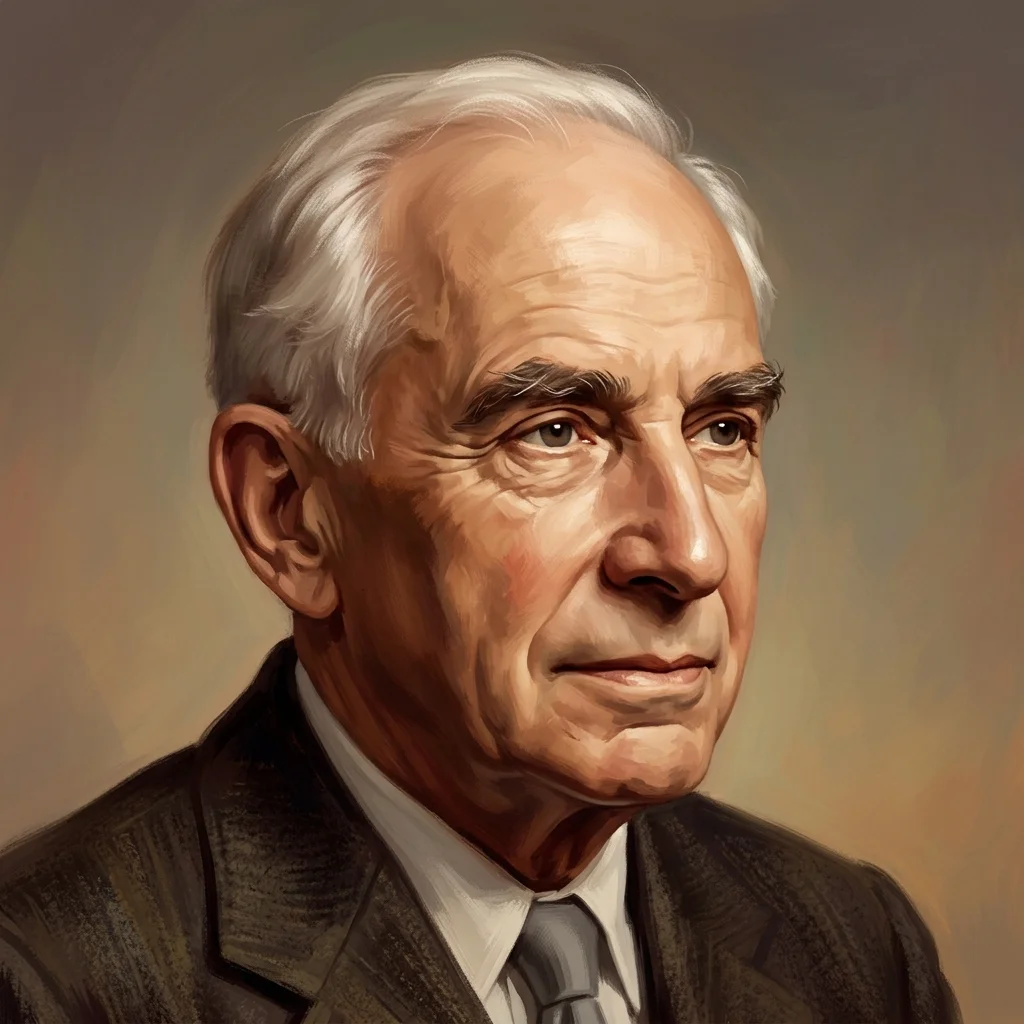
THERE are aperçus here, and a bewildering wealth of suggestions, which one is tempted to pursue to their ultimate present significance. But to do that would be to encroach too much on the subjects of later chapters. The vital thing here is not to accept or refute any special element in Plato’s political philosophy; it is rather to see how inextricably politics and philosophy were bound together in his mind as two sides of fundamentally one endeavor. Here is the passion to remould things; here is the seeing of perfection and the will to make perfection; here speaks out for the first time in European history the courage of the intellect that not only will perceive but will remake. Here is a man; no dead academic cobweb-weaver, but a masterful, kingly soul, mixed up in warm intimacy with the complex flow of the life about him. He paints Utopia; but at the same time he takes his own counsel anent the importance of an educational approach to the social problem, and founds the most famous and influential university the world has ever seen. Picture him in the gardens and lecture-halls of his Academy, arranging and supervising and coördinating, and turning out men to whom nations looked—and not in vain—for statesmen. Not merely to lift men up to the beatific vision of unities and perfections, but to teach them the art of creation, to fire them with the ardor of a new artistry; this he aimed to do, and did. “The greatest works grow in importance, as trees do after the death of the mortal men who planted them.”1 So grew the Republic, and the Academy.
To catch in a chapter the deep yet subtle spirit and meaning of this “finest product of antiquity,”2—it is not easy. In Plato’s Utopia there would no doubt have been a law against writing so briefly on so vast a phenomenon,—with, in this case, the inevitably consequent derangement of the Platonic perspective, and the impossibility, within such compass, of focussing Plato in the political and philosophical meaning of his time. One’s feeling here is of having desecrated with small talk the Parthenon of philosophy. Perhaps as we go on we shall be able to see more clearly the still-living value of Plato’s thought: in almost everything that we shall hereinafter discuss his voice will be heard, even though unnamed. To-day, at last, he comes again into his own—as in Renaissance days—after centuries dominated by the influence of his first misinterpreter; and generations bred on the throned lukewarmness of the Nicomachean Ethics yield to a generation that is learning to feel the hot constructive passion of the Republic. Dead these two thousand and some hundred years, Plato belongs to the future.