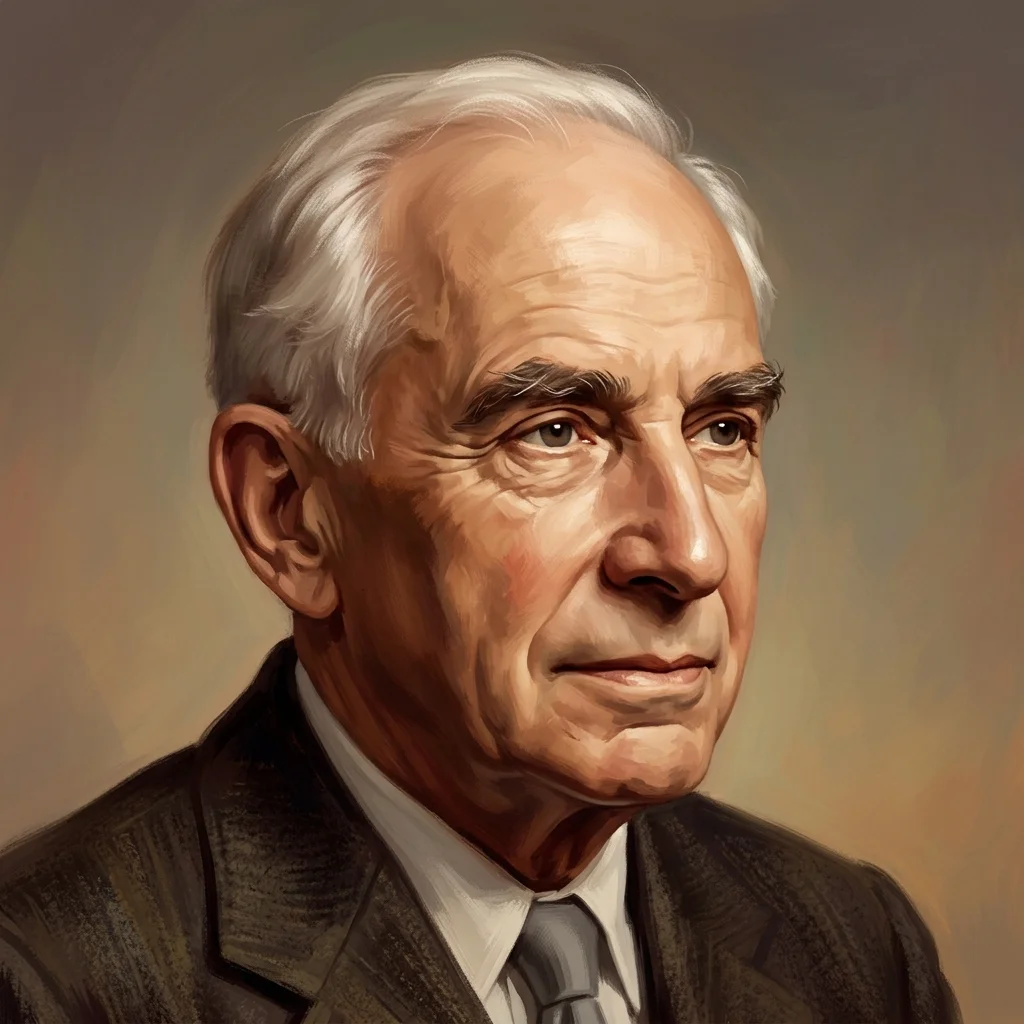
II Character
IF you would understand Bacon, you must see him as not so much a philosopher as an administrator. You find him a man of great practical ability: he remoulds philosophy with one hand and rules part of England with the other; not to speak of writing Shakespeare’s plays between times! He rises brilliantly from youthful penury to the political pinnacle; and meanwhile he runs over the whole realm of human knowledge, scattering praise and censure with lordly hand. Did we not know the fact as part of the history of England we should never suspect that the detailed and varied learning of this man was the incidental accomplishment of a life busied with political intrigue. Bene vixit qui bene latuit: surely here is a man who has lived widely, and in no merely physical sense has made the world his home. Life is no “brief candle” to him, nor men “such stuff as dreams are made of”; life is a glorious gift, big with blessing for him who will but assist at the delivery. There is nothing of the timid ascetic about him; like Socrates, he knows that there is a sort of cowardice in shunning pleasure;1 best of all, there is so much work to be done, so many opportunities for the man of unnarrowed soul. He feels the exhilaration of one who has burst free from the shackles of intellectual authority: he sees before him an uncharted future, raw material for hands that dare to mould it; and he dares. All his life long he is mixed up with the heart of things; every day is an adventure. Exiled from politics he plunges gladly into the field of scientific reconstruction; he does not forget that he is an administrator, any more than Plato could forget that he was a dramatist; he finds the world of thought a chaos, and bequeaths it a planful process for the coördination of human life; all Europe responds to his call for the “enlarging of the bounds of human empire.” He works joyfully and buoyantly to the very last, and dies as he has wished, “in an earnest pursuit, which is like one that is wounded in hot blood, who, for the time, scarce feels the hurt.”