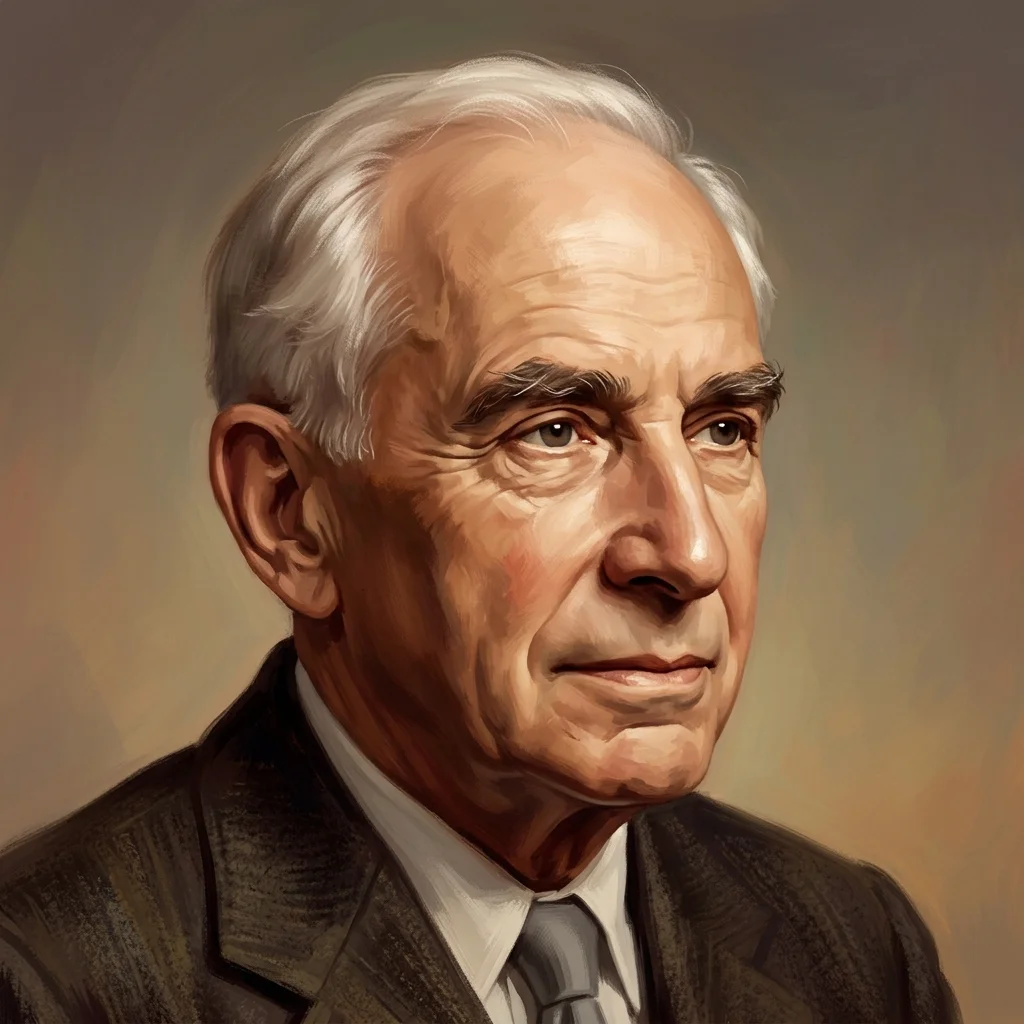
I Hobbes
PASSING from Bacon to Spinoza we meet with Thomas Hobbes, a man from whom Spinoza drew many of his ideas, though very little of his inspiration. The social incidence of the greater part of Hobbes’s thinking has long been recognized; he is not a figure over whom the biographer of social thought finds much cause to quarrel. He is at once the materialist par excellence of modern philosophy, and the most uncompromising protagonist of the absolutist theory of the state. The individual, all compact of pugnacity, was to Hobbes the bogey which the state, voracious of all liberties, became two centuries later to Herbert Spencer. He had in acute degree the philosopher’s natural appetite for order; and trembled at the thought of initiatives not foreseen by his political geometry. He lived in the midst of alarms: war stepped on the heels of war in what was very nearly a real bellum omnium contra omnes. He lived in the midst of political reaction: men were weary of Renaissance exuberance and Reformation strife, and sank gladly into the open arms of the past. There could be no end, thought Hobbes, to this turmoil of conflicting egos, individual and national, until all groups and individuals knelt in absolute obedience to one sovereign power.
But all this has been said before; we need but remind ourselves of it here so that we may the better appreciate the vibrant sympathy for the individual man, the generous defence of popular liberties, that fill with the glow of subdued passion the pages of the gentle Spinoza.