Homer
Ancient Greek poet (c. 8th Century BCE). Homer stands as the foundational figure of the Western canon, a poet whose works served as the primary textbook for the ancient world and the bedrock of European literature. While his historical existence remains a subject of intense scholarly debate known as the Homeric Question, the voice attributed to him provided the first definitive map of the human condition in Western thought.
His intellectual legacy is anchored in the transition from oral tradition to written literature. He transformed the fragmented myths and heroic songs of the Bronze Age into a cohesive narrative structure that explored the tension between divine fate and human agency. His work introduced the heroic code, a system of ethics centered on personal honor and immortal glory, which shaped the cultural identity of Greece and beyond for centuries.
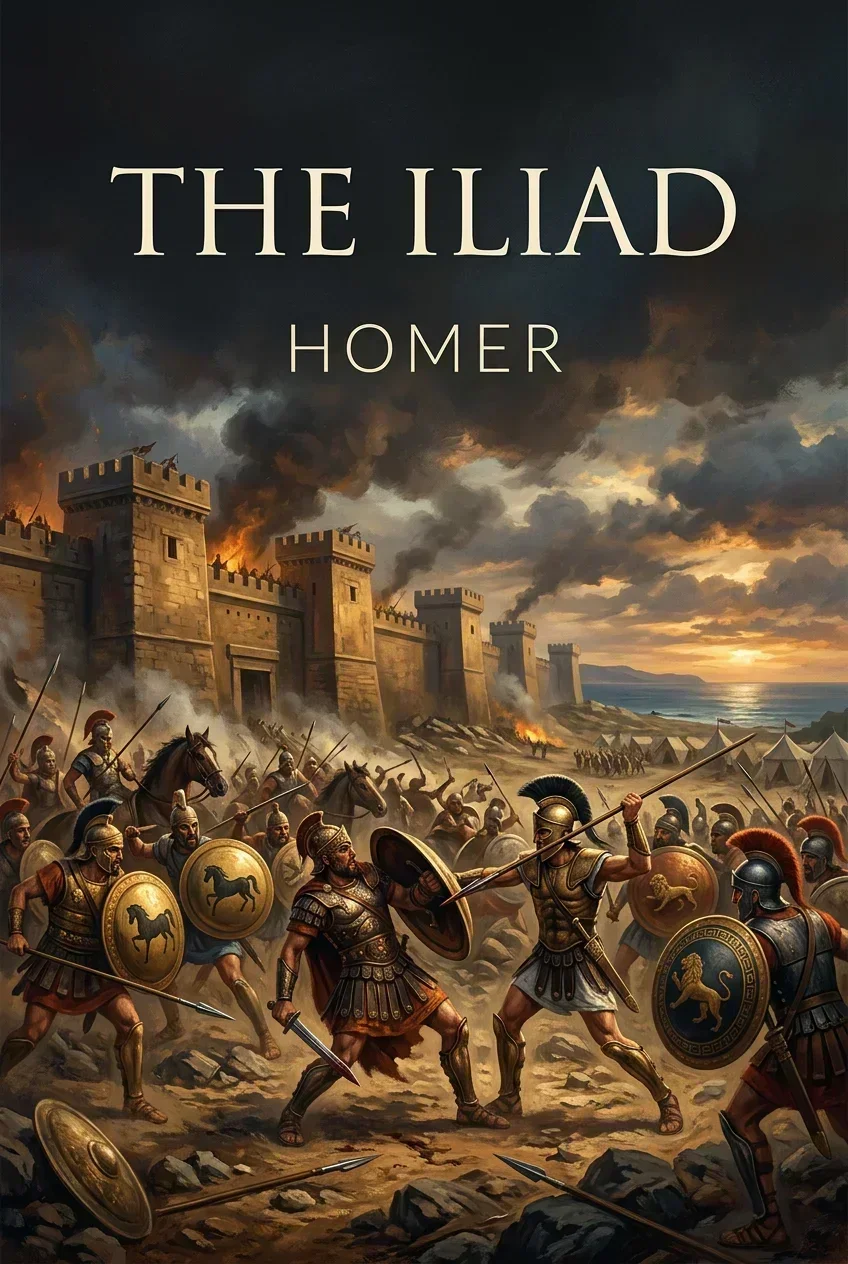
Homer’s influence is primarily felt through two monumental works of epic poetry. His narratives established the archetypes of the warrior and the wanderer, creating a template for storytelling that continues to guide modern writers. He possessed a rare ability to balance the grand scale of gods and kings with the intimate details of human grief and longing. His most acclaimed works include The Iliad, which explores the destructive power of anger during the Trojan War, and The Odyssey, a profound meditation on memory, loyalty, and the arduous journey back to one’s true home.