Jane Austen
English novelist (1775 to 1817). Jane Austen was a preeminent figure in English literature whose keen observations of the social hierarchy and the domestic sphere established her as one of the most widely read and influential writers in history. Despite publishing her works anonymously during her lifetime—often simply "By a Lady"—she navigated the rigid expectations of the landed gentry to produce narratives that provided a piercingly accurate map of the human condition through the lens of ordinary, provincial life.
Her intellectual legacy is defined by a mastery of irony and the innovative use of free indirect speech, a narrative technique that allowed her to explore the internal psychology of her characters with unprecedented depth and subtlety. She dismantled the superficialities of the marriage market, portraying it not merely as a romantic pursuit but as a complex economic and social survival mechanism for women of the Regency era. Her work served as a vital bridge between the sentimental novel of the 18th century and the social realism of the 19th, offering a sharp critique of the constraints placed upon female autonomy.
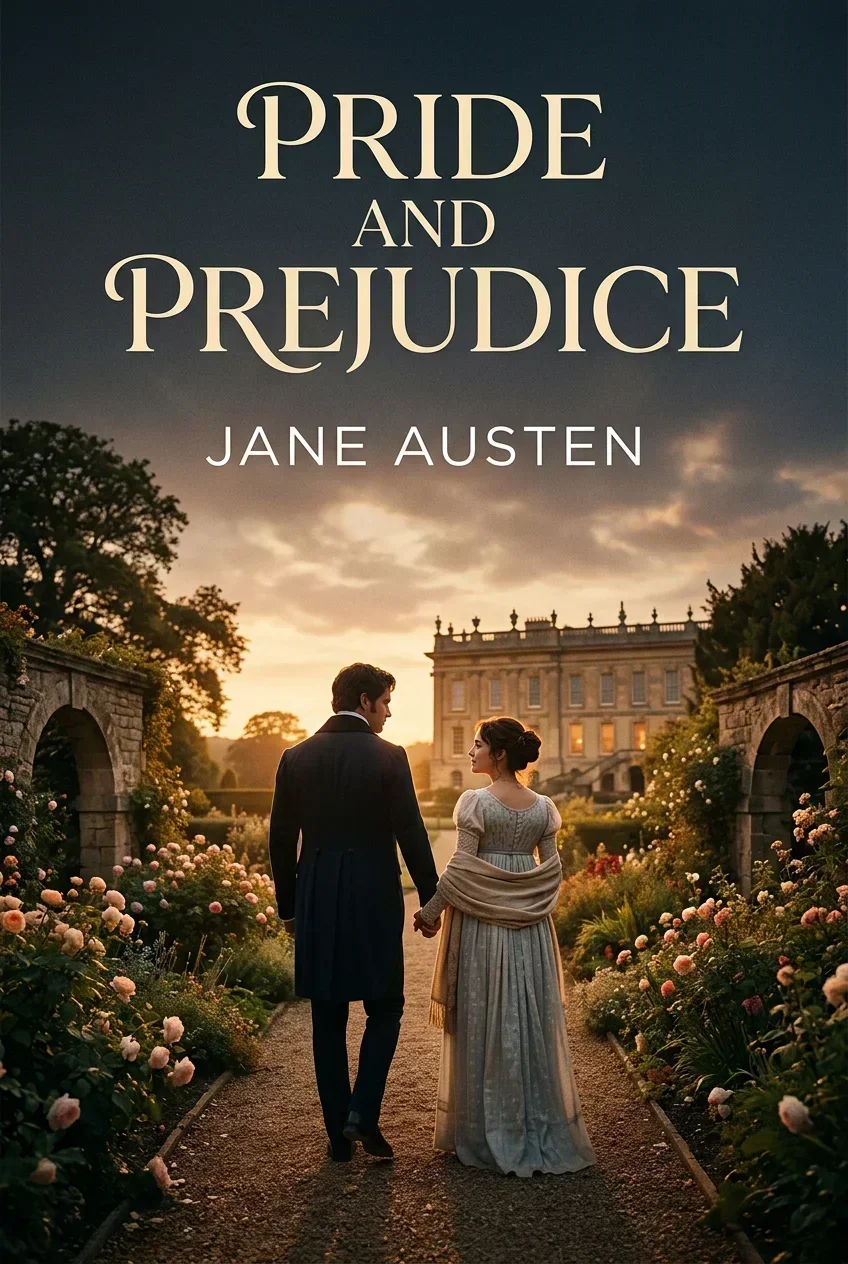
Austen’s writing remains a cornerstone of the literary canon, celebrated for its stylistic precision and its timeless portrayal of the gap between moral pretense and true character. She elevated the comedy of manners into a profound study of ethics and self-awareness, proving that the most significant human dramas often unfold within the quiet confines of a drawing-room. Her most acclaimed works include Sense and Sensibility (1811), Pride and Prejudice (1813), Mansfield Park (1814), Emma (1815), Northanger Abbey (1817), and Persuasion (1817).