Charles Dickens
English novelist and social critic (1812 to 1870). Charles John Huffam Dickens was the definitive voice of the Victorian era. He was a writer whose own journey from the trauma of a debtors' prison to global celebrity mirrored the social upheavals of his time. Forced into child labor at a blacking factory while his father was incarcerated, he developed a lifelong obsession with the plight of the marginalized. His narratives acted as a fierce social conscience for an industrializing Britain. He exposed the rot beneath the surface of Victorian prosperity. He possessed an unparalleled ability to capture the grit and the grandeur of London, transforming the city itself into a living, breathing character in his work.
Dickens mastered the art of the serialized novel. He created a cultural phenomenon where readers across all social classes waited breathlessly for each new installment. His writing is celebrated for its Dickensian characters. These figures had names that became shorthand for specific human virtues and vices. He used humor and satire to dismantle the cruelties of the New Poor Law and the bureaucratic insanity of the legal system. Beyond his novels, he was a tireless philanthropist and editor. He believed that literature could serve as a direct tool for social reform. He proved that a well-told story had the power to change national policy.
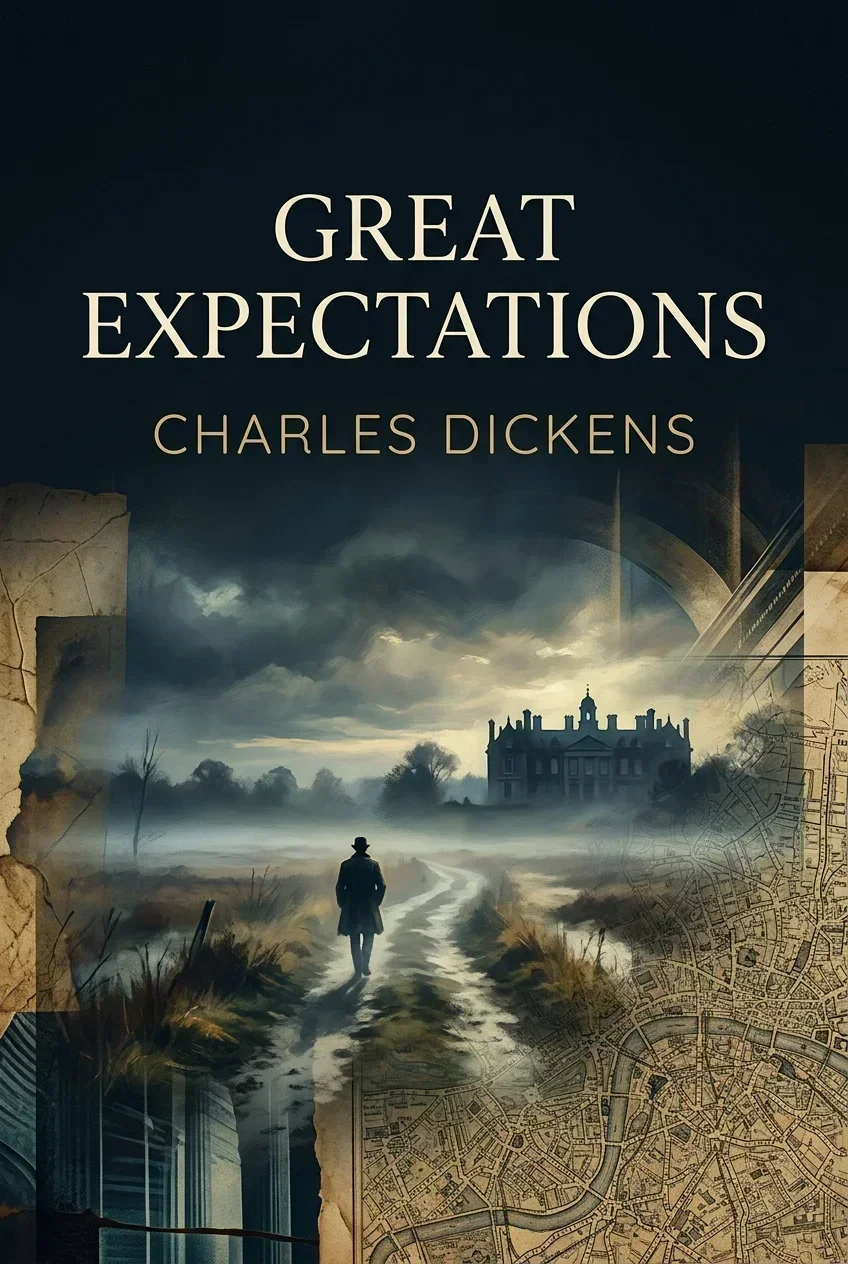
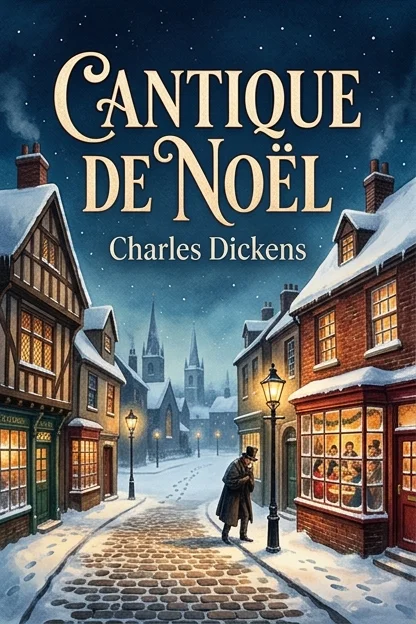
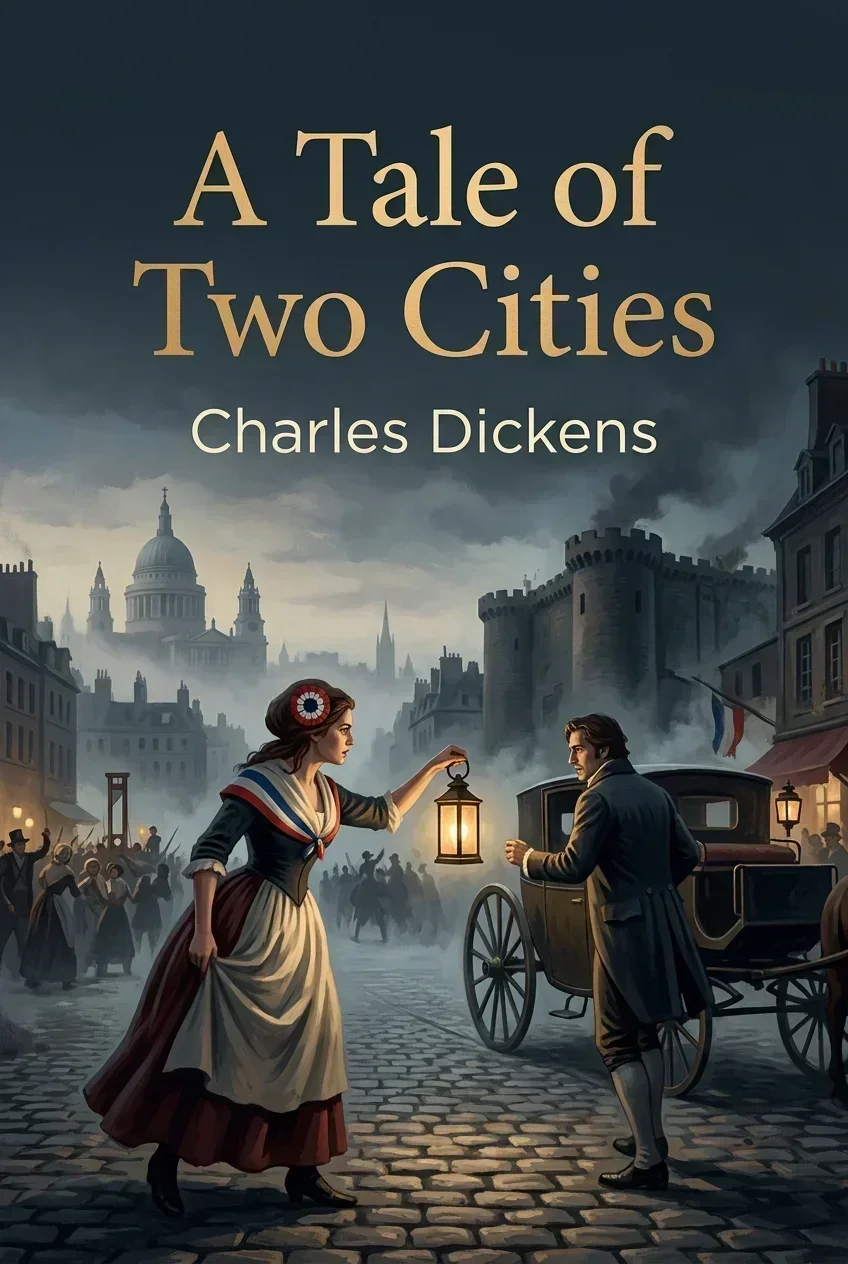
His legacy remains a cornerstone of the literary canon. He defined how we perceive the industrial age and the spirit of Christmas. He was a master of pathos and melodrama. His work never lost its focus on the fundamental dignity of the individual. His ability to blend sharp social critique with imaginative wonder ensured that his stories transcended their era. They became universal myths of redemption and resilience. His most acclaimed works include Oliver Twist (1837), A Christmas Carol (1843), David Copperfield (1850), A Tale of Two Cities (1859), and Great Expectations (1861).